You want to trust what you’re using.
Not just hope it works…
and not just assume it’s safe because the label says so.
Because when it comes to cleaning products—especially the ones you use every day—you’re asking two important questions:
Is this actually effective?
And is it truly safe for the people in this space?
That’s where certifications and testing come in.
Not as marketing—but as proof.
Why Testing Matters More Than Claims
It’s easy for a product to say it’s:
But without testing and verification, those words don’t mean much.
Because real trust is built on evidence—not assumptions.
Testing and certifications help answer:
- What’s in the product
- How it performs
- What impact it has on people and the environment
Two Things Every Product Should Prove
To truly earn your trust, a cleaning product needs to demonstrate two things:
1. Safety (Wellness)
This answers:
- Is it safe for regular use?
- Does it pose risks to skin, lungs, or indoor air quality?
- What kind of exposure does it create over time?
2. Efficacy (Performance)
This answers:
- Does it actually clean effectively?
- Can it disinfect when required?
- Does it perform consistently in real-world conditions?
Because a product that’s safe but ineffective—or effective but unsafe—doesn’t solve the full problem.
How Product Safety Is Evaluated
Safety testing looks at how a product interacts with people and environments.
This can include:
- Ingredient toxicity assessments
- Skin and eye irritation testing
- Air quality impact
- Residue and exposure analysis
Third-party programs like:
- EPA Safer Choice
- EWG Verified
help ensure that products meet stricter standards for health and environmental safety.
Because safety isn’t just about what’s removed—it’s about what remains.
How Product Effectiveness Is Tested
Performance testing ensures a product actually does what it claims.
Depending on the product, this may include:
- Lab testing against bacteria and viruses
- Surface cleaning performance trials
- Grease and soil removal testing
- Stability testing over time
For disinfectants, testing often measures:
- Kill rates (how effectively microbes are eliminated)
- Required dwell time (how long the product must sit to work)
Because effectiveness isn’t about effort—it’s about proven results.
The Role of Third-Party Certifications
Independent certifications add credibility by removing bias.
Organizations like:
evaluate products based on:
- Ingredient safety
- Environmental impact
- Ethical standards
Because when a product is reviewed by an outside authority, it adds a layer of accountability.
What Transparency Should Look Like
A trustworthy product doesn’t hide behind vague claims.
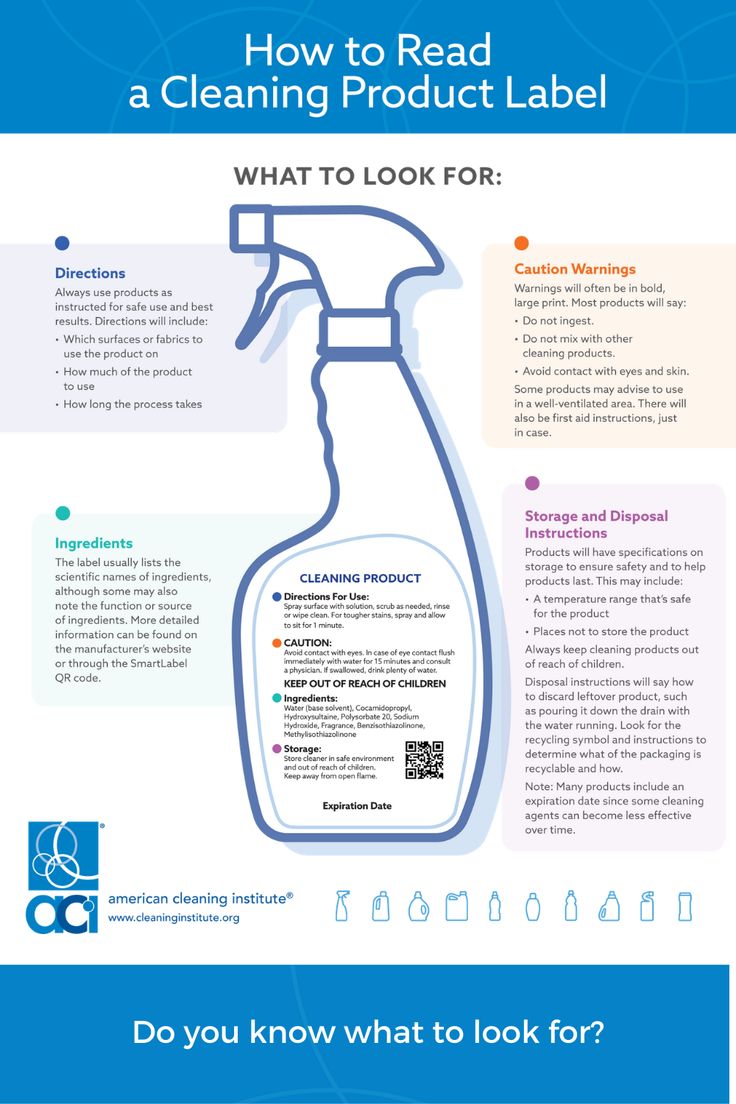
Look for brands that provide:
- Clear ingredient lists
- Explanation of how their products work
- Access to certifications or testing information
- Realistic usage instructions
Because transparency builds confidence—and confidence builds consistency.
Where Noni Pro Cares Fits In
This is where testing, safety, and performance come together.
Noni Pro Cares products are designed with a focus on:
- Delivering effective cleaning and disinfecting
- Supporting safer, everyday use
- Aligning with the standards customers expect when they seek transparency and trust
Because when a product is built with both science and intention, you don’t have to second-guess your choice.
The Real Shift: From Trusting Labels to Trusting Evidence
A lot of uncertainty comes from relying on what’s said instead of what’s proven.
But once you understand:
✔ How products are tested
✔ What certifications mean
✔ What to look for
You move from:
- Doubt → confidence
- Guessing → informed decisions
- One-time purchases → long-term trust
The Bottom Line
Certifications and testing aren’t just technical details.
They’re what separate:
- Claims from credibility
- Marketing from measurable results
And when it comes to the products you use every day…
That difference matters.