
You want a space that’s truly clean—not just on the surface, but in a way that actually supports your health and the people around you.
But somewhere along the way, the conversation around cleaning got… confusing.
“Natural” sounds safer.
“Conventional” sounds stronger.
And somehow, it feels like you’re being asked to choose between the two.
If you’ve ever wondered which one actually makes sense for your home or business, you’re not alone.
Because the real issue isn’t natural versus conventional.
It’s understanding what works, what’s safe, and what’s sustainable long-term.
The Real Question Behind the Debate
Most people aren’t looking for labels—they’re looking for outcomes:
Because a product isn’t helpful if it only solves one problem while creating another.
Let’s break this down in a way that gives you clarity.
Effectiveness: Do Natural Products Actually Work?
This is where the biggest misconception lives.
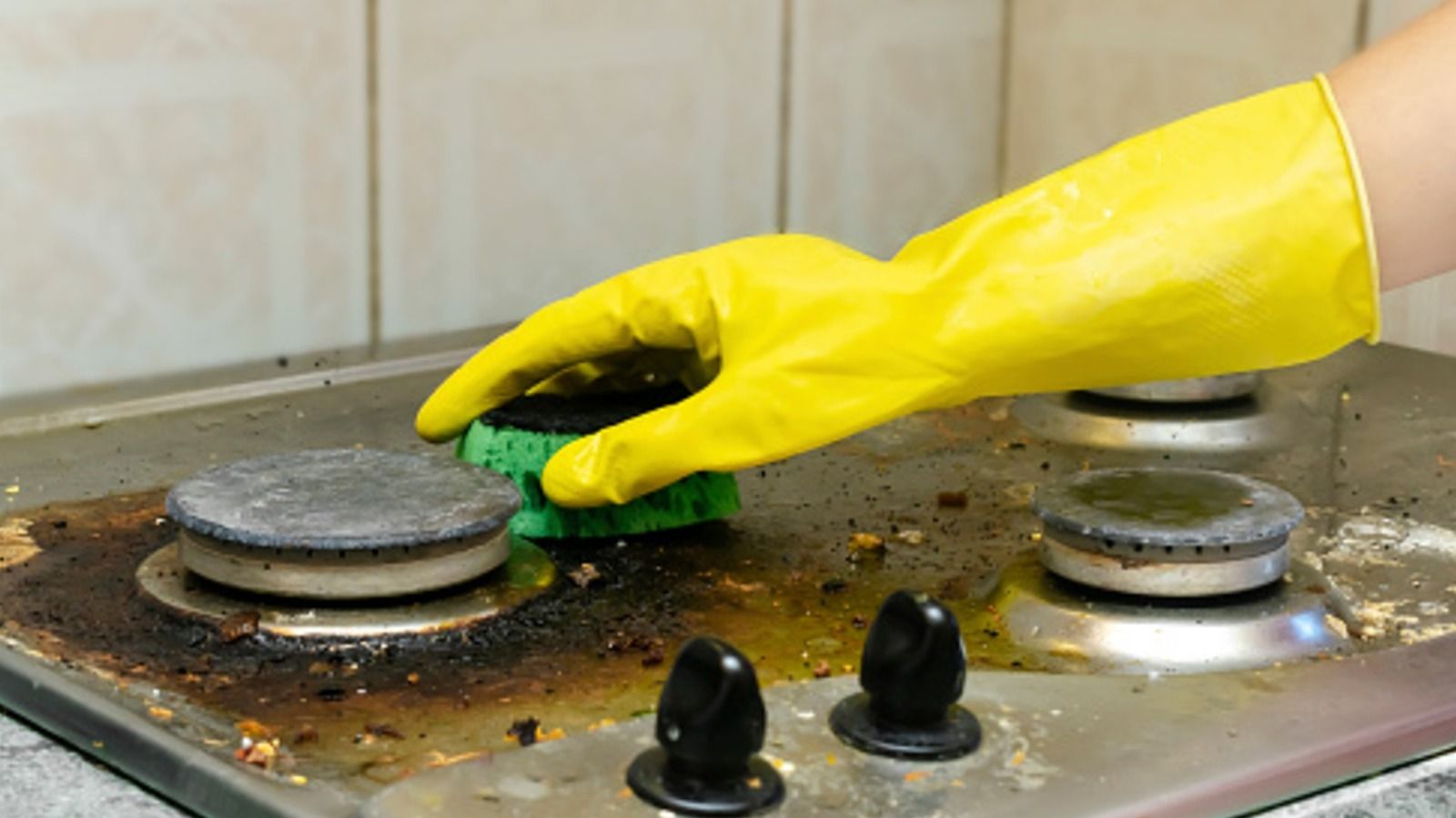
Conventional Cleaning Products
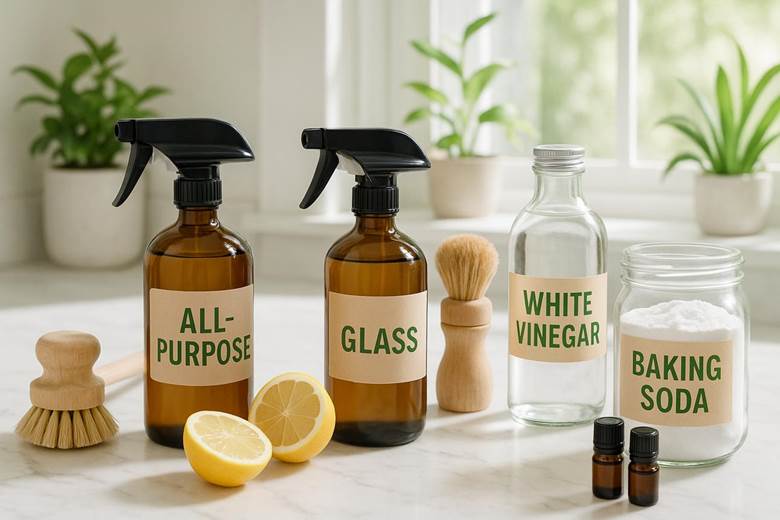
Natural Cleaning Products
Here’s the truth:
Not all “natural” products are created equal.
Some are excellent. Others are little more than scented cleaners.
The key is choosing solutions that are:
Because effectiveness isn’t about whether something is natural, it’s about how it’s made.
Safety: What Are You Exposed To?
This is where the conversation starts to shift.
Conventional Products
Natural Products
That said…
“Natural” doesn’t automatically mean “safe.”
And “chemical” doesn’t automatically mean “dangerous.”
Everything comes down to:
Because safety isn’t a label—it’s a combination of formulation and behavior.
Cost: What Are You Really Paying For?
At first glance, conventional products often seem cheaper.
Conventional Products
Natural Products
The hidden cost conversation matters here.
Because over time, you’re not just paying for the product, you’re paying for:
And those costs add up in ways that aren’t always obvious.
Environmental Impact: What Happens After You Clean?
This is where the difference becomes even more visible.
Conventional Products
Natural Products
Because cleaning doesn’t end when you’re done wiping—it continues in the environment.
The Middle Ground Most People Miss
Here’s the part that often gets overlooked:
You don’t actually have to choose extremes.
You don’t need:
There’s a growing category of solutions designed to bridge that gap—offering both:
✔ Proven effectiveness
✔ Safer, more thoughtful formulations
Where Noni Pro Cares Products Fit In
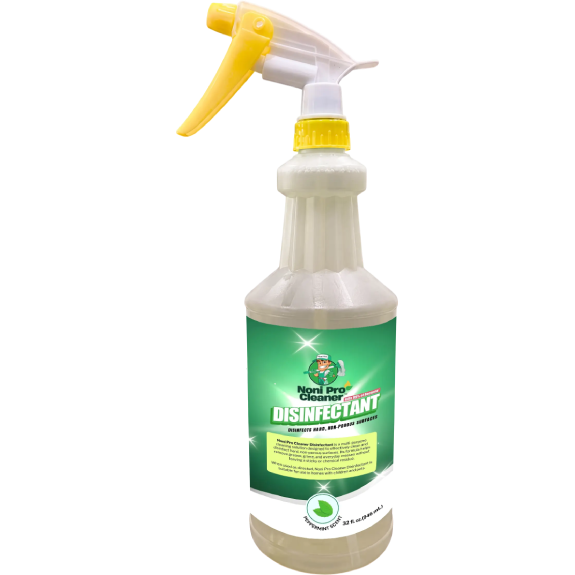
This is exactly where products like Noni Pro Cares come into play.
Instead of forcing you to choose between strength and safety, they’re designed to:
Because the goal isn’t to pick a side—it’s to find a solution that actually works for real life.
How to Make the Right Choice for Your Space
If you’re trying to decide what’s best, focus on this:
Because the “best” product is the one that aligns with your environment—not just the label on the bottle.
The Bottom Line
This isn’t about natural vs. conventional.
It’s about informed decisions.
Decisions that balance:
And once you understand how those pieces fit together, the choice becomes much clearer.
You don’t need to overcomplicate this.
You just need products and a system, that support the kind of space you actually want to create:
Clean, safe, and sustainable.
Sign up and be the first to know about our special offers and latest updates. Plus, receive inspiration, ideas and insights for your upcoming promotional marketing activity. Subscribe today!
© Copyright 2026, Noni Pro Cleaner. All rights reserved.
Built and Maintained by Marketing with April. Powered by Virtual Marketing Machine