You want a clean, healthy space. That part is simple. What’s not simple… is standing in the cleaning aisle (or scrolling online) trying to figure out which products are actually safe and which ones just sound safe. Because labels can be confusing. Claims can be vague. And when you’re thinking about your kids, your pets, or even just the air you breathe every day… guessing doesn’t feel good enough.
The good news is: once you know what to look for, choosing safe and non-toxic disinfectants becomes a whole lot clearer.
Why This Matters More Than Ever
We’re using disinfectants more frequently than ever before. And while the intention is right—protecting our spaces from harmful germs, the unintended side effect is often increased exposure to:
- Harsh chemical residues
- Artificial fragrances
- Irritants that linger in the air
As a result, the very products meant to protect your environment can quietly impact:
- Indoor air quality
- Skin sensitivity
- Respiratory health
- The safety of children and pets
That’s why this isn’t just about cleanliness anymore—it’s about making informed choices.
The Real Problem: “Clean” Isn’t Always Clear
Here’s the hard truth:
Terms like “natural,” “green,” and even “non-toxic” are often unregulated marketing language. That means a product can say it’s safe… without actually meeting meaningful safety standards. So if you’ve ever felt unsure reading a label, you’re not alone. The key is learning how to look beyond the front of the bottle.
What to Look for on Product Labels?
When evaluating a disinfectant, these are the areas that give you real clarity:
1. Active Ingredients (This Is Where the Truth Lives)
This tells you what’s actually doing the disinfecting.
Look for:
- Clearly listed active ingredients
- Ingredients you can research and understand
- Avoidance of known harsh chemicals when possible
Be cautious with:
- Chlorine bleach
- Ammonia
- Quaternary ammonium compounds (“quats”)
These can be effective—but often come with trade-offs for air quality and health.
2. Full Ingredient Transparency
A trustworthy product doesn’t hide behind vague terms.
Look for:
- Complete ingredient lists (not just active ingredients)
- No “proprietary blend” language without explanation
- Clear disclosure of fragrances or additives
Because if a company won’t tell you what’s inside, you can’t make an informed decision.
3. Fragrance: The Hidden Trigger
“Fragrance” might sound harmless—but it’s often a mix of undisclosed chemicals.
For sensitive environments, look for:
- Fragrance-free products
- Or naturally derived, clearly disclosed scents
This matters especially for:
- Children
- Pets
- Anyone with asthma or sensitivities
4. Third-Party Certifications
Certifications add an extra layer of credibility.
While no label is perfect, look for recognized standards such as:
- EPA Safer Choice
- Green Seal
- EWG Verified
These indicate that a product has been evaluated against stricter safety and environmental criteria.
5. Clear Usage Instructions (Including Dwell Time)
A product isn’t truly effective—or safe—if it’s not used correctly.
Look for:
- Specific instructions for disinfecting (not just cleaning)
- Required contact time (how long the surface should stay wet)
- Guidance for safe use around people and animals
Because even the safest product won’t work if it’s used incorrectly.
Red Flags to Watch For
If you’re trying to simplify your decision-making, here are a few quick warning signs:
🚩 Vague or exaggerated claims (“chemical-free,” “100% safe”)
🚩 No ingredient transparency
🚩 Strong artificial scent masking chemical smell
🚩 Lack of clear disinfecting instructions
🚩 No third-party validation
Simpler Way to Choose With Confidence
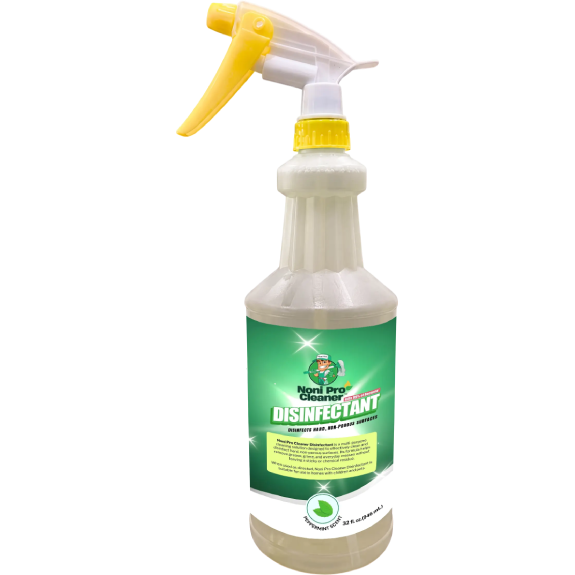
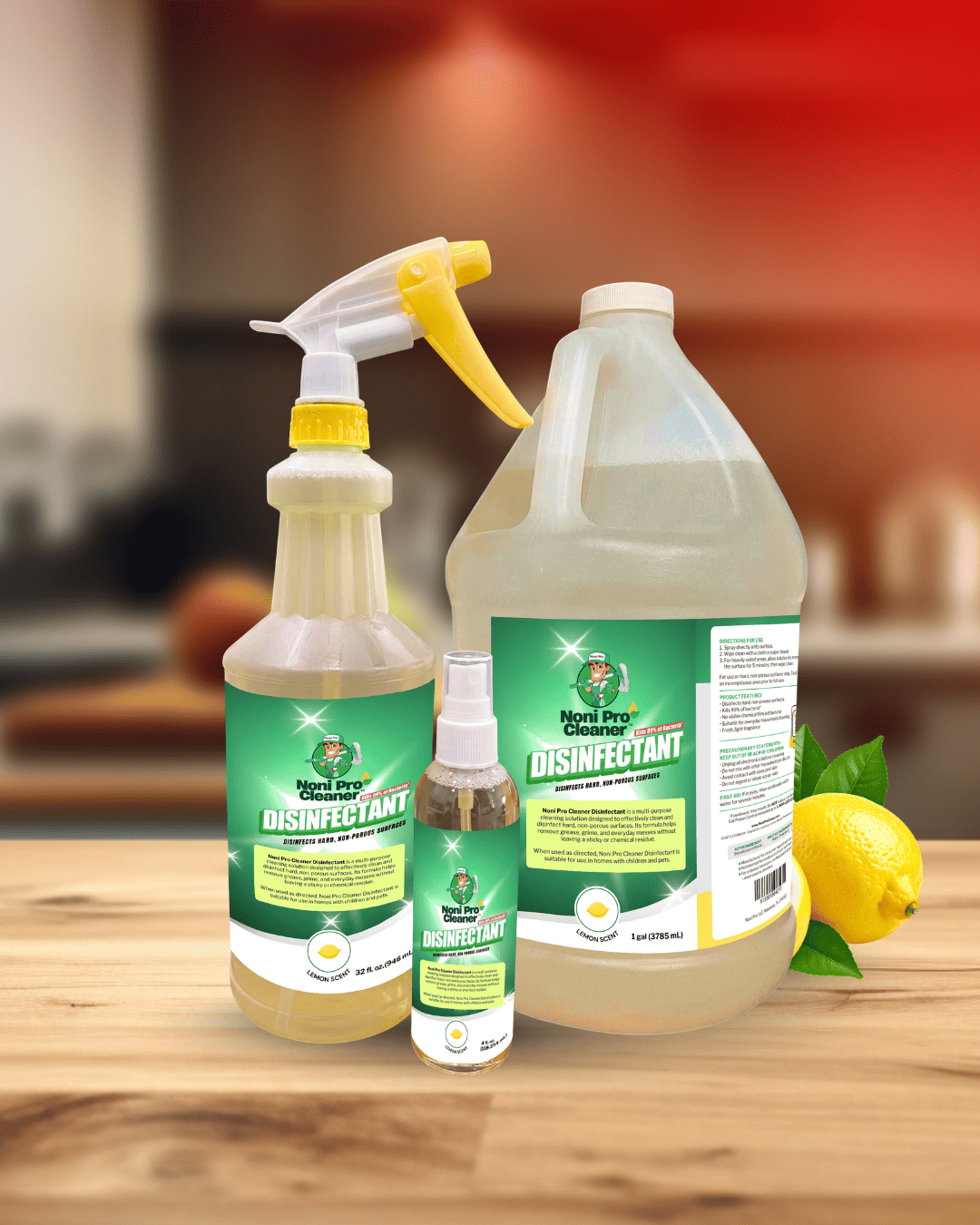
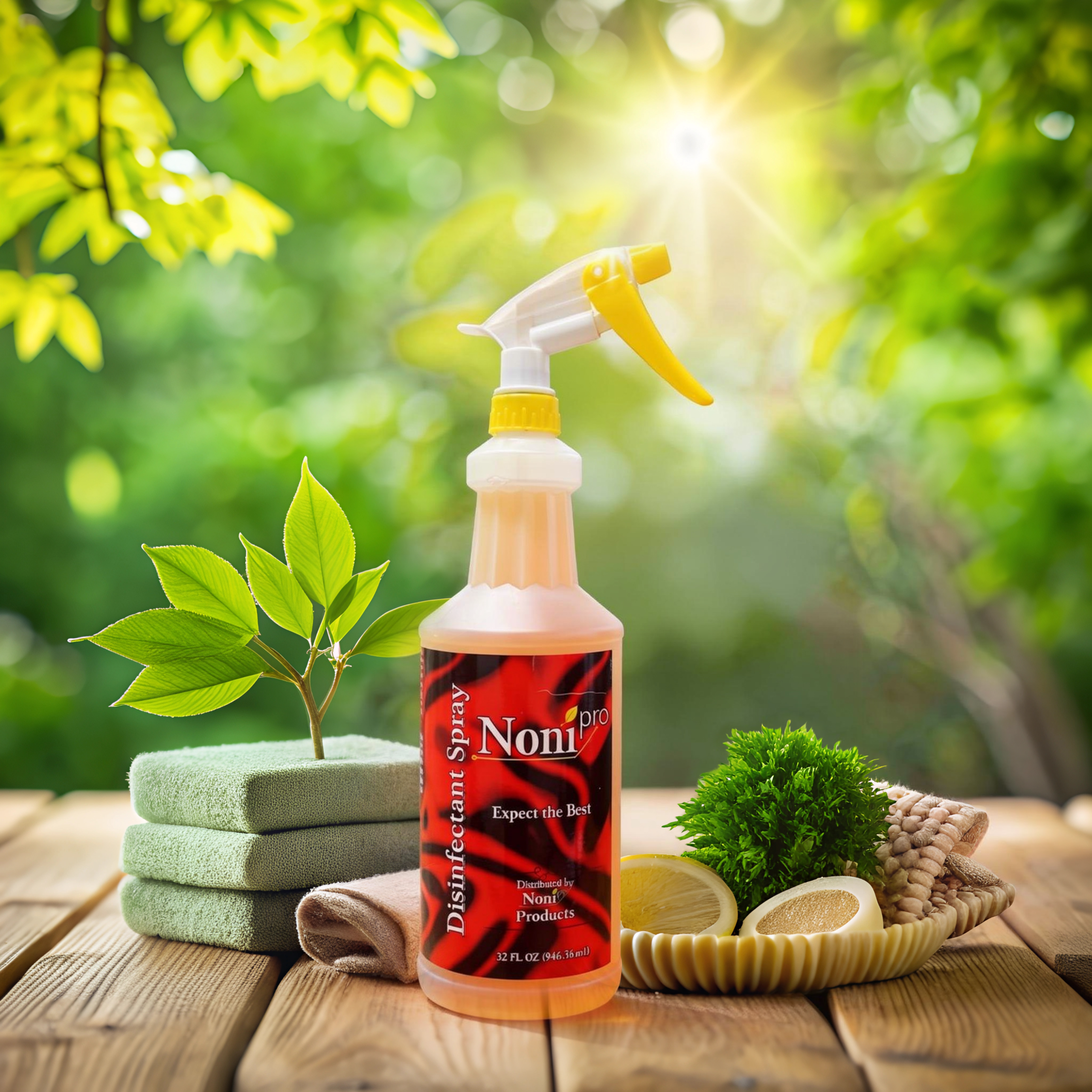
This is where many people get stuck. Not because they don’t care—but because evaluating every product takes time, research, and trust. That’s why choosing brands that prioritize both safety and effectiveness from the start can make all the difference. Products like those from Noni Pro Cares are designed with this balance in mind—helping you:
- Avoid harsh, unnecessary chemicals
- Maintain a safer indoor environment
- Clean confidently around children and pets
Because when a product is built with transparency and health in mind, you don’t have to second-guess every label.
The Bigger Picture: Clean Should Feel Safe
At the end of the day, this isn’t just about disinfecting surfaces. It’s about creating a space that:
- Supports your health
- Feels comfortable to live and work in
- Doesn’t introduce new risks while solving another problem
And the shift is simple:
- From guessing → to understanding
- From overwhelm → to clarity
- From reactive cleaning → to intentional care
Conclusion
You don’t need to become a chemist to make better choices. You just need to know what to look for—and give yourself permission to choose products that align with both cleanliness and well-being. Because a truly healthy space isn’t just germ-free…
It’s thoughtfully maintained, safely supported, and built on decisions you can feel good about.