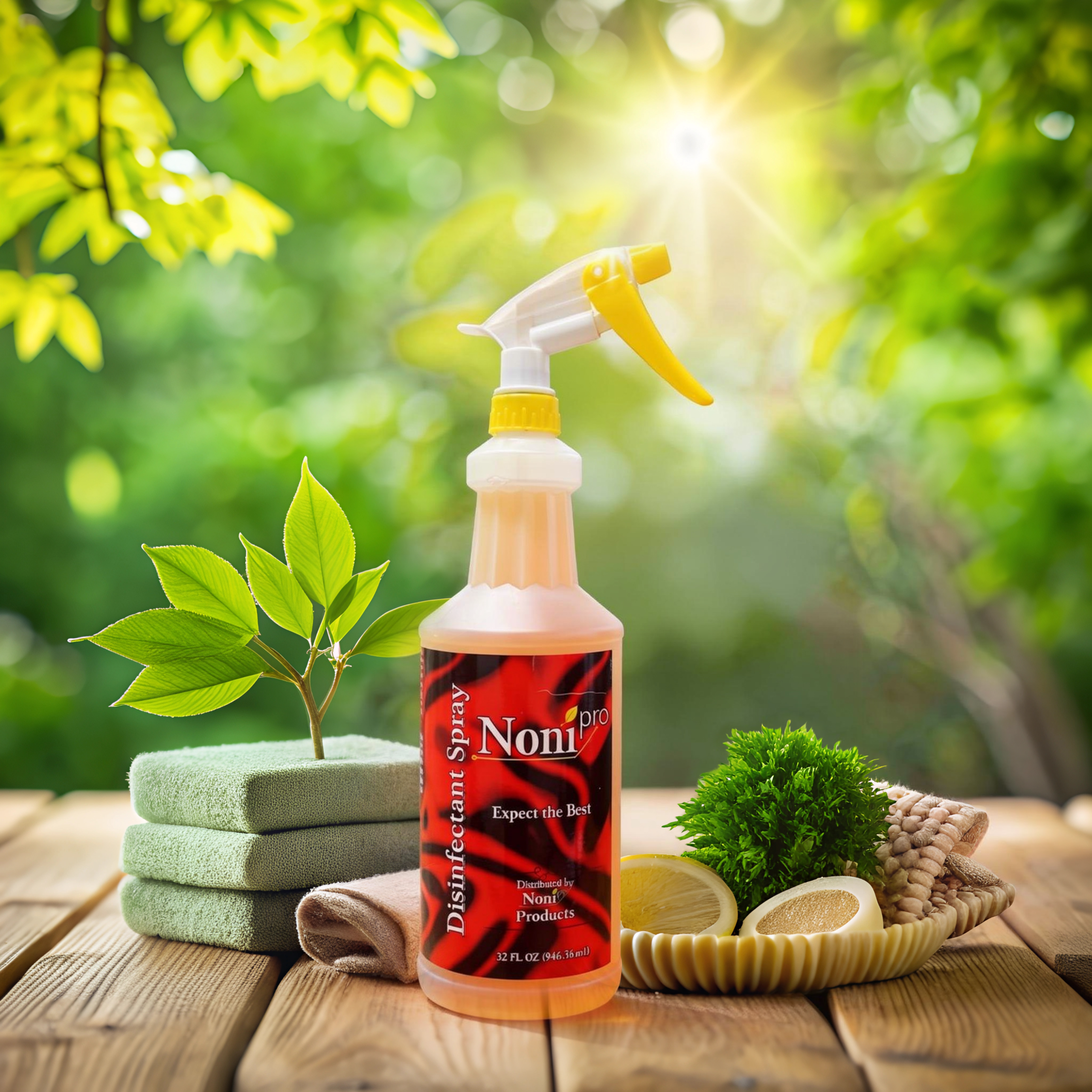
You pick up a product that says “non-toxic”… and for a moment, you feel reassured.
But then the questions creep in.
What does that actually mean?
Who decided it was non-toxic?
And can I trust it?
Because if you’ve ever flipped a bottle over and felt more confused than confident you’re not alone.
The truth is, labels can sound comforting without giving you real clarity.
The good news? Once you understand certifications and what they actually represent, you can cut through the noise and make decisions you feel good about.
The Reality Behind the Label
Here’s the hard truth:
“Non-toxic” isn’t a strictly regulated term in many cleaning product categories.
That means:
There’s no single universal standard
Brands can use the phrase loosely
And it doesn’t always guarantee what you think it does
Because without verification, “non-toxic” is just a claim not proof.
That’s where certifications come in.
Why Certifications Matter
Third-party certifications act as an extra layer of accountability.
Instead of taking a brand’s word for it, these programs:
Evaluate ingredients
Assess environmental impact
Review safety standards
Require transparency
As a result, they give you something more reliable than marketing language they give you validation.
Key Certifications to Know (and What They Mean)
Let’s break down some of the most recognized certifications you’ll see on cleaning products.
EPA Safer Choice
What it means:
Products with this label have been evaluated by the Environmental Protection Agency for safer chemical ingredients.
What it looks at:
Human health impact
Environmental safety
Ingredient transparency
Why it matters:
It helps you identify products that perform effectively while reducing harmful exposure.
Green Seal
What it means:
An independent nonprofit certification that sets rigorous standards for health, safety, and environmental responsibility.
What it looks at:
Toxicity levels
Biodegradability
Performance standards
Why it matters:
It’s one of the more comprehensive certifications balancing effectiveness with sustainability.
Leaping Bunny
What it means:
Products are certified cruelty-free and not tested on animals at any stage of development.
What it looks at:
Animal testing policies
Supply chain verification
Why it matters:
While it doesn’t directly address toxicity, it reflects ethical production practices that many consumers value.
EWG Verified
What it means:
Products meet strict standards for ingredient safety and transparency set by the Environmental Working Group.
What it looks at:
Ingredient hazard ratings
Full disclosure
Health impact
Why it matters:
It’s especially helpful for consumers focused on minimizing chemical exposure.
What Certifications Don’t Do
This is just as important.
No single certification means a product is:
100% risk-free
Perfect for every situation
Automatically the “best” choice for your needs
Because safety depends on context, usage, and environment not just labels.
How to Use Certifications to Make Better Decisions
Instead of relying on one label alone, think of certifications as part of a bigger picture.
Look for:
✔ Verified seals (not just claims)
✔ Transparent ingredient lists
✔ Clear usage instructions
✔ Alignment with your specific needs (home, business, pets, etc.)
Because informed decisions come from combining signals not just trusting one.
Where Noni Pro Cares Fits In
If all of this feels like a lot to evaluate you’re not wrong.
That’s exactly why choosing products built with transparency and safety in mind from the start can simplify everything.
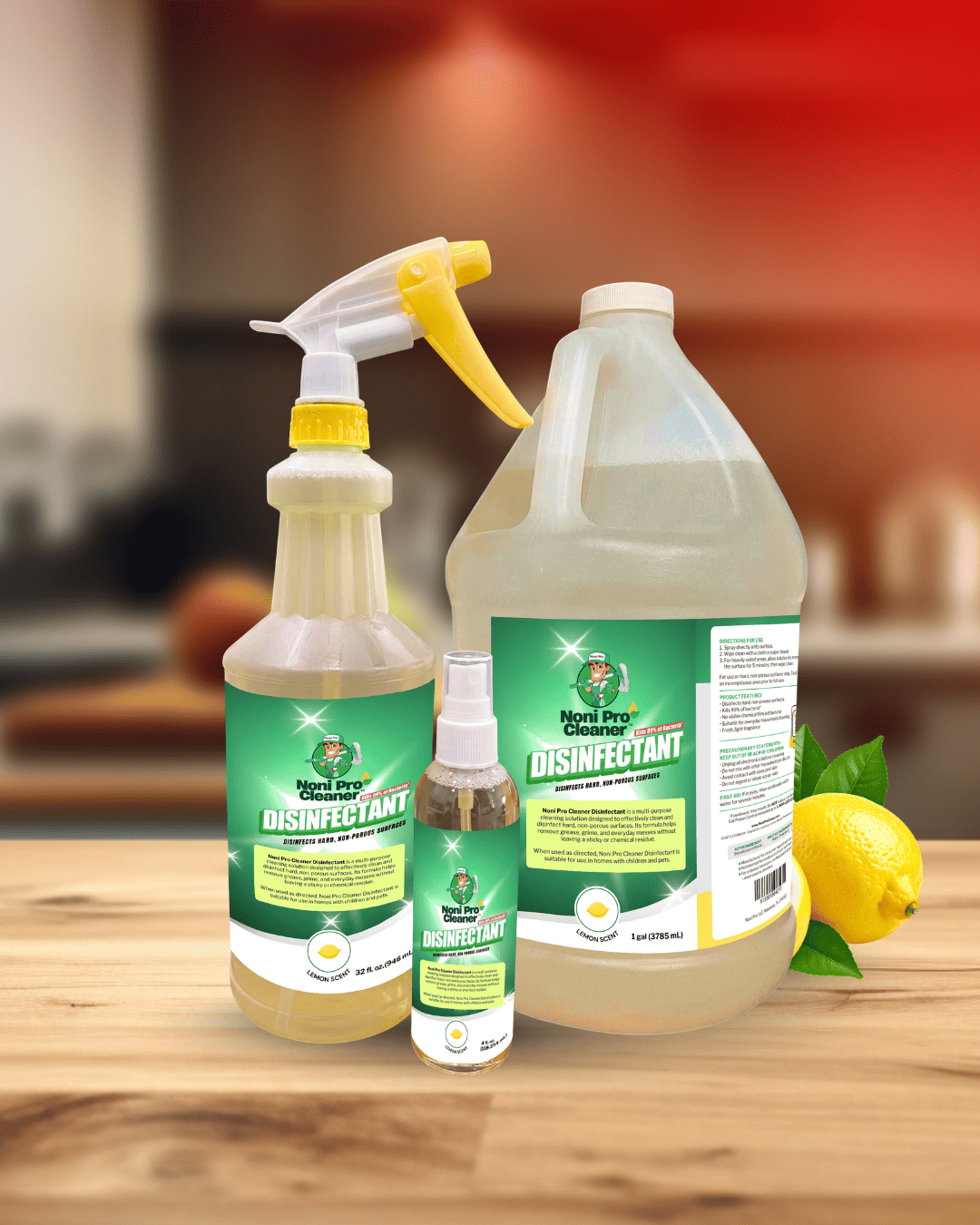
Solutions like Noni Pro Cares are designed to:
Prioritize safer ingredient choices
Support effective cleaning and disinfecting
Align with the standards people are looking for when they seek “non-toxic” alternatives
Because you shouldn’t have to decode every label just to feel confident in what you’re using.
The Real Shift: From Trusting Claims to Understanding Standards
A lot of the confusion around cleaning products comes from relying on what’s said instead of what’s verified.
But once you understand:
What certifications mean
What they evaluate
How they support your decision-making
You move from:
Uncertainty → clarity
Guessing → informed choice
Hesitation → confidence
The Bottom Line
“Non-toxic” isn’t a guarantee it’s a starting point.
Certifications help you go deeper.
They give you a clearer picture of:
What’s inside the product
How it’s been evaluated
And whether it aligns with the environment you want to create
Because a truly safe cleaning choice isn’t just about what’s claimed… it’s about what’s proven.