You’re trying to run a smart, efficient business.
So when you look at green cleaning products and see a higher price tag, it’s fair to pause.
“Is this really worth it?”
“Am I paying more just to say it’s eco-friendly?”
Because margins matter. Every decision counts.
But here’s the part most people don’t see right away:
The real cost of cleaning isn’t just what you pay at checkout—it’s what you spend over time when systems are inconsistent, products are inefficient, or your environment works against you.
The good news is, when you look at the full picture, green cleaning solutions can actually support both your standards and your bottom line.
Cost-Effectiveness of Green Cleaning Solutions for Small Businesses
The Real Cost of “Cheaper” Products
At first glance, conventional cleaners often look like the budget-friendly choice.
Lower price. Easy access. Quick decision.
But over time, those “savings” can be offset by:
- Using more product per clean
- Needing multiple specialized products
- Surface wear and damage from harsh chemicals
- Increased ventilation or odor management
- Staff discomfort or sensitivity issues
As a result, what seems cheaper upfront can cost more to maintain.
Why Green Cleaning Solutions Work Differently
Green products are often designed with efficiency in mind—not just effectiveness.
That shows up in a few key ways:
1. Concentrated Formulas = More Value Per Use
Many eco-conscious cleaning products are highly concentrated.
That means:
- You dilute them for use
- A single container lasts longer
- You reduce how often you need to reorder
Because you’re paying for performance, not just volume.
2. Multi-Purpose Use Reduces Product Overload
Instead of stocking:
- A degreaser
- A glass cleaner
- A surface disinfectant
- A specialty cleaner for every situation
Green systems often allow for:
- Fewer products that handle multiple tasks
- Simpler training for staff
- Less storage space
Fewer products = less confusion and lower total spend.
3. Long-Term Surface Protection
Harsh chemicals can wear down:
- Countertops
- Flooring
- Fixtures
- Equipment
Over time, that leads to:
- Repairs
- Replacements
- Loss of appearance quality
Green cleaning solutions are typically gentler on surfaces, helping extend their lifespan.
Because protecting what you already own is part of cost efficiency.
4. Health and Productivity Considerations
This is the cost most businesses don’t calculate but they feel it.
Strong chemical cleaners can contribute to:
- Eye, skin, or respiratory irritation
- Unpleasant working conditions
- Reduced comfort for staff and customers
A healthier environment can support:
- Better employee experience
- Fewer disruptions
- A more welcoming space for customers
And that has real value, even if it doesn’t show up as a line item.
5. Bulk and Subscription Options Improve Budget Control
Green product providers often offer:
- Bulk purchasing options
- Refill systems
- Subscription delivery
This allows you to:
- Lower cost per unit
- Maintain consistent supply
- Avoid last-minute purchases at higher prices
Because predictable systems lead to predictable expenses.
This is where cost and consistency come together.
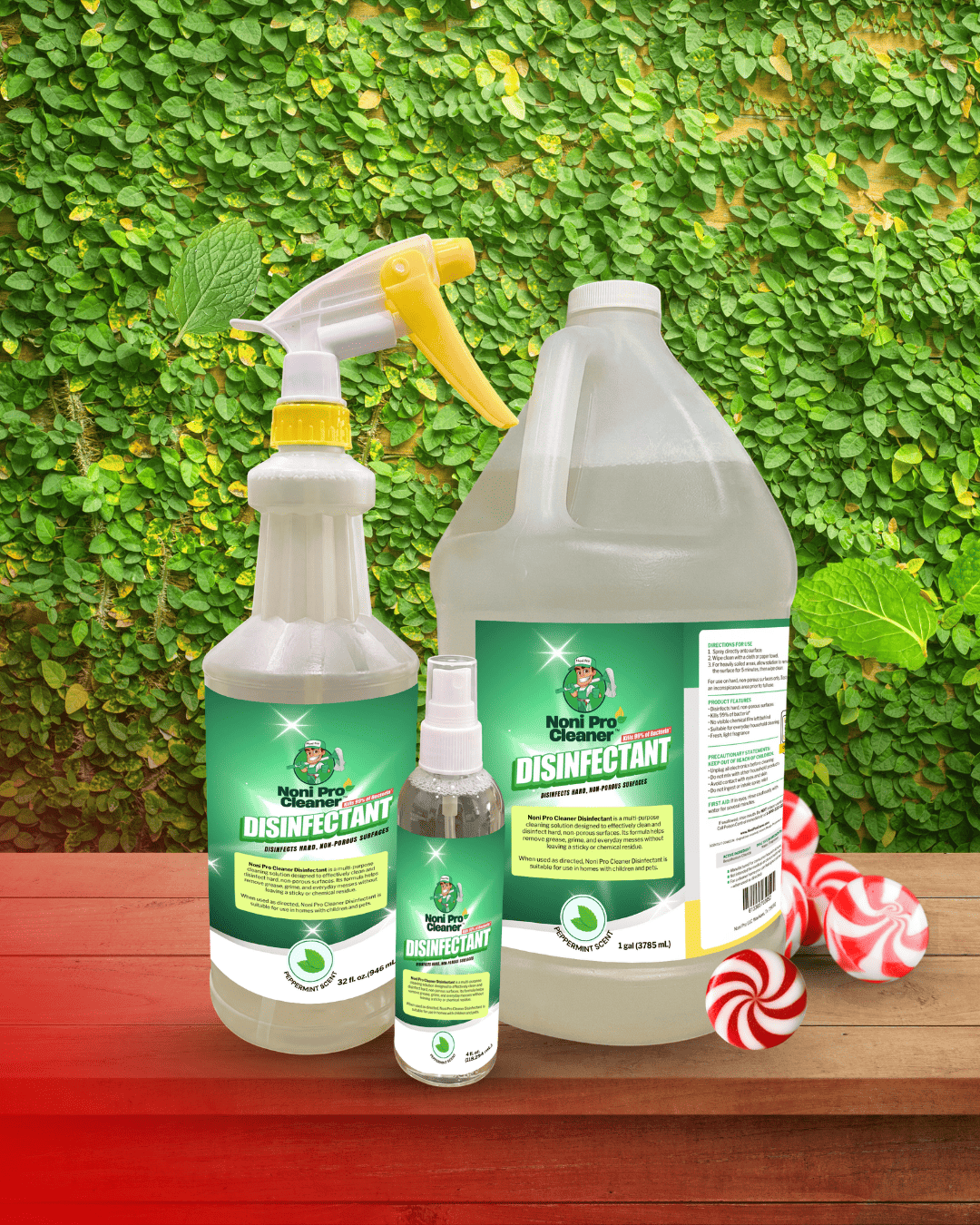
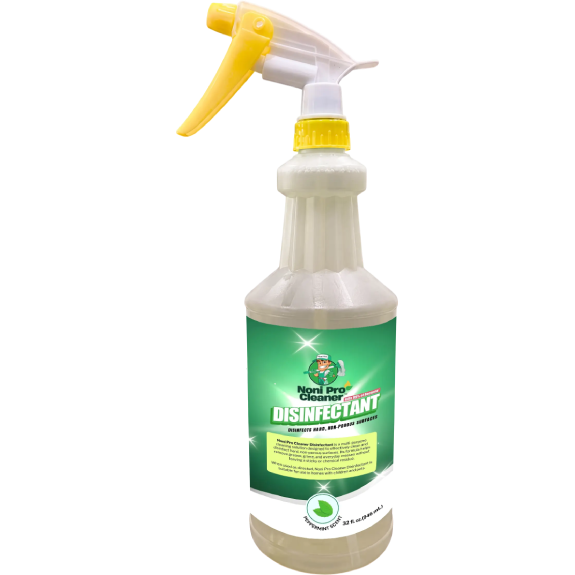
Noni Pro Cares products are designed to help small businesses:
- Get more use out of each product with efficient formulations
- Simplify cleaning systems with versatile solutions
- Maintain a safer, more comfortable environment without over-relying on harsh chemicals
Because when your cleaning system is built to support your operations, it stops being an expense—and starts being an investment.
The Bigger Shift: From Price to Value
It’s easy to compare products based on price alone.
But the smarter comparison is:
- Cost per use
- Total system cost
- Long-term impact on your space and team
When you look at it that way, the conversation changes.
The Bottom Line
Green cleaning solutions aren’t about spending more.
They’re about spending smarter.
With the right products and systems, you can:
- Reduce waste
- Simplify operations
- Protect your space
- And create a healthier environment for everyone in it
Because true cost-effectiveness isn’t about the cheapest option, it’s about the one that works best over time.